A twisty mountain pass, an open landscape that never seems to end: on a motorcycle, the difference between a trip you remember for years and one you’d rather forget often comes down to the accessories you brought along. These are the ones I consider essential for travelling — the ones that have got me out of trouble more than once, and that I fit on every touring bike.
Top box and panniers: carry everything you need
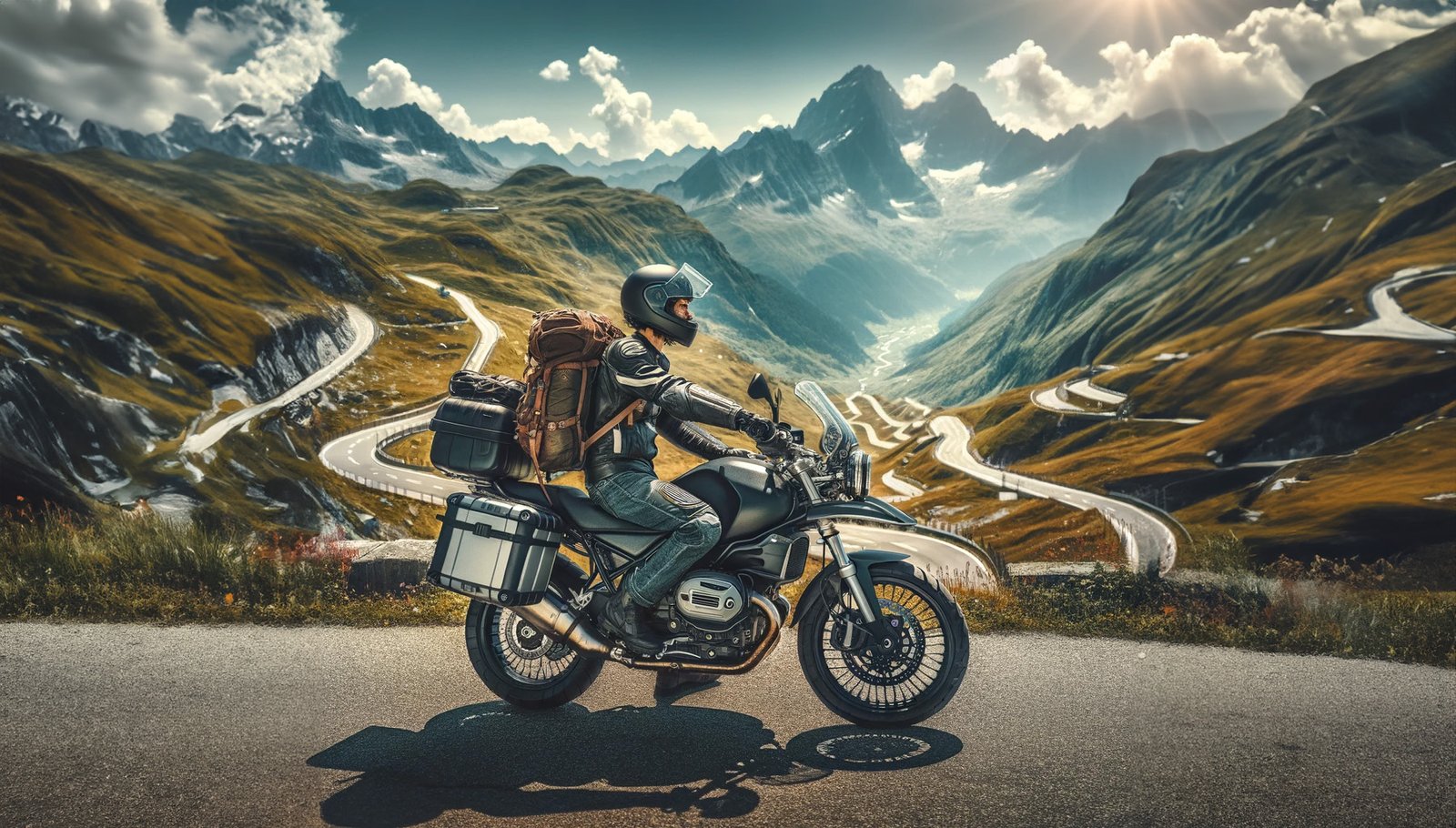
The first challenge is carrying everything without sacrificing comfort and safety. The answer is luggage: top boxes and panniers. They’re practical and built to withstand the elements, protecting your stuff from rain, dust and mud.
When choosing how to organise your kit, weigh up volume, ease of access, waterproofing and theft security. On long trips a balanced set of hard cases on both sides also helps the bike’s stability — with the weight badly distributed, it gets nervous.
Windscreen and fairing: ride comfortably
The right windscreen or fairing can transform your riding experience, especially on the motorway or over long distances. These accessories deflect wind, rain and debris, reducing fatigue and letting you focus on the road.
Choose a model suited to your bike and your height: it should protect you without compromising visibility or creating annoying turbulence around your helmet.
Navigation systems: don’t get lost, ride relaxed
Navigation is now essential for touring riders. Whether you use a dedicated GPS or a smartphone app, make sure it’s weatherproof (or properly protected) and readable in sunlight. A sturdy mount and handlebar charging port keep the device ready.
The two apps I use most on the road do different jobs:
Google Maps
The go-to navigation app: every road, including back roads, plus excellent offline navigation. I use it to get from A to B.
RideLog
The app for managing your bike and rides: it tracks trips automatically, calculates fuel use and costs, keeps maintenance and reminders together, and lets you share routes with the community. I use it to record and relive roads, not for turn-by-turn: navigation and a logbook are different tools, and keeping them separate works better.
Protective gear: safety and comfort
Never underestimate good protective gear. Jackets and trousers with armour, gloves and boots each play a role in safety. Technical gear uses breathable, waterproof materials that keep you dry and comfortable in any weather.
Rain gear: stay dry and visible
On a bike, rain shows up sooner or later, so rain gear is something to carry every time. One-piece suits or separate jacket and trousers: what matters is that they’re waterproof and breathable, because sweating inside a suit that doesn’t breathe is almost worse than the rain itself. Many of these include reflective elements to boost visibility in low light — no small safety advantage.
First-aid kit and tools: be ready for anything
Being prepared means carrying both a first-aid kit and a basic tool set. The first-aid kit should include bandages, antiseptics and the essentials for common emergencies. A minimal tool kit lets you handle small mechanical issues that would otherwise cut your trip short.
RideLog: your digital riding logbook
Of all the “accessories” I carry, the lightest is an app. I built RideLog for riders who want to document their travels: it tracks routes automatically, gathers stats on distance and fuel, and lets you share rides with a community.
And it does this while staying privacy-first: your data stays on your phone, no servers, and it works offline even where there’s no signal. It’s free on iPhone and Android.
Download RideLog for free and ride safe!
Frequently asked questions
What are the must-have motorcycle accessories for a trip?
Four essentials: a waterproof luggage system (top box and/or panniers), protective gear with armour, rain gear and reliable navigation. I add a first-aid kit, a minimal tool set, and an app to track rides.
Hard or soft luggage for motorcycle travel?
It depends on the trip. Hard luggage protects better and is more secure against theft — ideal for long road tours; soft luggage is lighter, more versatile and better suited to off-road and mixed routes. For multi-day tarmac trips I usually prefer hard cases.
Which app should I have for a motorcycle trip?
You want two tools: a navigation app (like Google Maps) to reach your destination, and an app like RideLog to track routes, monitor fuel and maintenance, and share rides. They work together, not against each other.
How do I choose the right windscreen for my bike?
Choose based on your height and riding style: sitting in position, the top edge should deflect airflow just below your eye line, without creating turbulence around your helmet. Too tall or too short increases fatigue and noise.