Every passionate motorcyclist knows that a clean motorcycle isn’t just about aesthetics – it’s about preserving your investment and ensuring optimal performance. How to wash your motorcycle correctly is more than just spraying it down with water; it requires the right products, proper techniques, and an understanding of what could potentially damage your beloved machine.
Whether you’re a seasoned rider or just starting your two-wheeled journey, mastering the art of motorcycle washing will help you maintain your bike’s condition, spot potential issues early, and take pride in your ride’s appearance. Let’s dive into the comprehensive approach that will keep your motorcycle looking showroom-fresh while protecting its vital components.
Understanding the Ideal Washing Frequency
The frequency of washing your motorcycle depends on several factors: riding conditions, storage environment, and personal preference. As a general rule, wash your bike every 2-3 weeks during regular use, or immediately after riding in harsh conditions like rain, mud, or salt-covered roads.
For motorcycles used daily in urban environments, a weekly wash might be necessary, while weekend riders might extend this to monthly cleaning sessions. Pay attention to your bike’s condition – if dirt and grime are accumulating, it’s time for a wash regardless of your schedule.
Seasonal Considerations
- Winter: Wash more frequently if riding in salt-treated areas
- Spring: Deep clean after winter storage
- Summer: Regular maintenance washing
- Fall: Prepare for storage with thorough cleaning
Choosing the Right Products: Specific vs. Generic
While it might be tempting to use household detergents, motorcycle-specific products are formulated to be safe on various materials found on bikes, including painted surfaces, rubber, plastic, and metal components.
Essential Motorcycle Washing Products
- Motorcycle shampoo: pH-balanced and gentle on all surfaces
- Degreaser: For chain and engine areas
- Wheel cleaner: Specifically for brake dust and road grime
- Microfiber cloths: Multiple cloths for different areas
- Soft-bristled brushes: Various sizes for detail work
- Chain cleaner and lubricant: For post-wash maintenance
The chain is the part of the bike where a wash does real damage if you rush it: every source agrees on no high-pressure water, and on re-lubricating once the bike has been washed or ridden in the rain. The full list of what is safe and what is not is in motorcycle chain maintenance.
What to Avoid
Never use dish soap, harsh detergents, or abrasive cleaners. These can strip protective coatings, damage rubber seals, and cause premature wear on painted surfaces.
The Correct Washing Technique: Top to Bottom Approach
Proper motorcycle washing follows a systematic approach that prevents contamination and ensures thorough cleaning.
Pre-Wash Preparation
- Let the engine cool completely (at least 30 minutes after riding)
- Remove any loose items and cover sensitive areas
- Rinse the entire motorcycle with cool water to remove loose dirt
The Washing Process
- Start from the top: Begin with the fuel tank, seat, and upper fairing
- Work downward: Move to the engine area, avoiding direct water pressure on electrical components
- Clean the wheels last: These are typically the dirtiest parts
- Use the two-bucket method: One for soapy water, one for rinsing your cloth
Protecting Sensitive Areas During Washing
Modern motorcycles have several sensitive areas that require special attention during washing to prevent damage and maintain functionality.
Critical Areas to Protect
- Air filter intake: Cover with plastic to prevent water ingestion
- Exhaust pipes: Avoid directing water into exhaust outlets
- Electrical components: ECU, fuse boxes, and connectors
- Brake calipers: Minimize direct water pressure
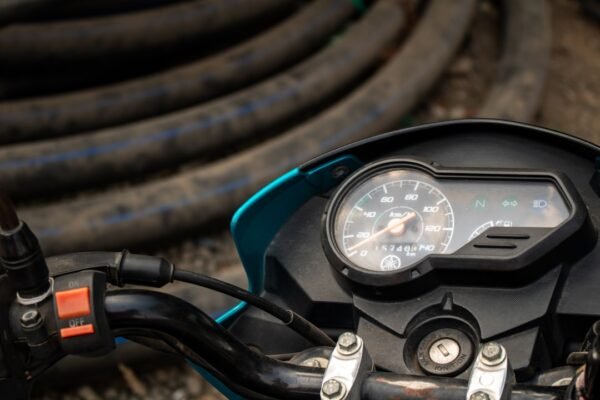
- Dashboard and instruments: Use minimal water and dry immediately
Protection Techniques
Use plastic bags secured with rubber bands to cover sensitive electrical components. Apply painter’s tape over areas where water intrusion could cause problems. Always use low water pressure around these sensitive zones.
Proper Drying and Post-Wash Care
Proper drying is crucial to prevent water spots and corrosion. Use clean, dry microfiber cloths and work systematically from top to bottom.
Drying Process
- Start with painted surfaces using a damp chamois
- Dry chrome and metal parts with microfiber cloths
- Use compressed air for hard-to-reach areas
- Pay special attention to electrical connections
Protection and Finishing Products
- Motorcycle wax: Apply every 3-4 washes for paint protection
- Chrome polish: For metal surfaces and exhaust pipes
- Plastic restorer: To maintain black plastic components
- Rubber protectant: For tires and rubber seals
Chain Cleaning and Maintenance
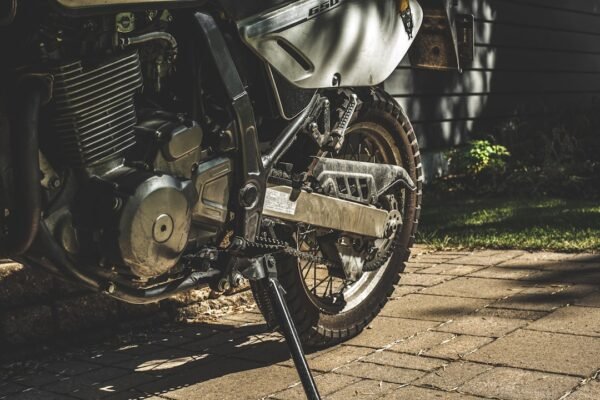
The motorcycle chain requires special attention as it’s constantly exposed to dirt, debris, and weather elements.
Chain Cleaning Process
- Use a dedicated chain cleaner and brush
- Work on small sections at a time
- Rotate the rear wheel to clean the entire chain
- Rinse thoroughly but avoid high-pressure water
- Dry completely before applying fresh lubricant
Post-Cleaning Chain Care
Apply chain lubricant while the chain is still slightly warm from friction. This helps the lubricant penetrate better. Allow excess lubricant to drip off before your next ride to prevent dirt attraction.
Common Mistakes to Avoid
Even experienced riders can make mistakes that potentially damage their motorcycles during washing.
Critical Mistakes
- Using high-pressure washers too close: Maintain at least 3 feet distance
- Washing a hot engine: Always let it cool completely
- Neglecting to rinse thoroughly: Soap residue can damage finishes
- Using dirty cloths: Can scratch painted surfaces
- Skipping the drying process: Leads to water spots and corrosion
Post-Wash Inspection and Maintenance
A clean motorcycle provides the perfect opportunity to inspect your bike for potential issues and perform routine maintenance tasks.
Essential Post-Wash Checks
- Inspect tires for wear and proper pressure
- Check brake pads and fluid levels
- Examine the chain for wear and proper tension
- Look for any loose bolts or damaged components
- Test lights and electrical systems
Lubrication Tasks
After washing, apply fresh lubricant to the chain, cables, and any pivot points that may have been affected by water exposure. This is also an ideal time to check and top off fluid levels.
Conclusion
Properly washing your motorcycle is an essential skill that goes beyond mere aesthetics. By following the correct techniques, using appropriate products, and avoiding common mistakes, you’ll preserve your bike’s condition, maintain its performance, and potentially extend its lifespan. Remember that regular cleaning also provides valuable opportunities to inspect your motorcycle and catch potential issues before they become costly problems.
The key to successful motorcycle washing lies in preparation, using the right products, following a systematic approach, and taking time to properly dry and protect your bike afterward. Make washing a regular part of your motorcycle maintenance routine, and you’ll enjoy a cleaner, better-performing, and more reliable ride.
To help you stay on top of your motorcycle maintenance schedule, including regular washing intervals, consider downloading RideLog. This comprehensive app helps you track your rides, manage maintenance expenses, set reminders for routine care like washing and chain lubrication, and monitor your motorcycle’s overall condition. With RideLog, you’ll never miss an important maintenance task, ensuring your bike stays in peak condition for every adventure ahead.