Every experienced motorcyclist knows that the difference between a perfect ride and a dangerous situation often lies in those crucial minutes spent checking your bike before hitting the road. Pre-ride motorcycle checks aren’t just a formality – they’re your first line of defense against mechanical failures, accidents, and potentially life-threatening situations on the road.
Whether you’re planning a quick commute to work or embarking on a cross-country adventure, developing a systematic approach to pre-ride inspections can literally save your life. If the commute is your daily reality, the motorcycle commuting guide puts these five minutes in context. The few minutes you invest in these essential checks pale in comparison to the hours, days, or even weeks you might lose dealing with a breakdown, accident, or worse. Let’s explore the comprehensive checklist that every rider should master before turning that key.
The GOMABR System: Your Memory Aid for Safety
To make pre-ride checks both systematic and memorable, many experienced riders use the GOMABR acronym. This simple mnemonic device covers the six most critical areas that require inspection before every ride:
- G – Tires (Gomme in Italian)
- O – Oil
- M – Handlebars and Controls (Manubrio)
- A – Water and Fluids (Acqua)
- B – Fuel (Benzina)
- R – Mirrors and Lights (Retrovisori)
This systematic approach ensures you never skip a crucial component, even when you’re in a hurry or distracted by excitement for the ride ahead.
G – Tires: Your Connection to the Road
Your tires are literally the only thing connecting your motorcycle to the road, making them perhaps the most critical component to inspect. Here’s what you need to check:
Tire Pressure
Check tire pressure when the tires are cold, preferably before your first ride of the day. Incorrect pressure affects handling, fuel consumption, and tire wear. Under-inflated tires can overheat and fail catastrophically, while over-inflated tires reduce the contact patch and compromise grip.
Tread Depth and Wear Patterns
Inspect the tread depth using the coin test or a proper gauge. Look for uneven wear patterns that might indicate alignment issues, suspension problems, or improper pressure maintenance. Pay special attention to the center of the tire and both edges.
Visual Damage Inspection
Examine the entire tire surface for cuts, punctures, bulges, or embedded objects. Even small punctures can lead to sudden deflation at high speeds. Check the sidewalls for cracks or signs of aging, especially if your bike has been sitting for extended periods.
O – Oil: The Lifeblood of Your Engine
Engine oil serves multiple critical functions: lubrication, cooling, cleaning, and sealing. Regular oil level checks prevent catastrophic engine damage that could leave you stranded or worse.
Oil Level Check
With the motorcycle on level ground and the engine cool, check the oil level using either the dipstick or sight glass, depending on your bike’s design. The oil should be between the minimum and maximum marks – never ride with low oil levels.
Oil Condition Assessment
While checking the level, assess the oil’s condition. Fresh oil should be relatively clear and free of metal particles. Dark, gritty, or contaminated oil needs immediate attention. If you notice any metal shavings or unusual debris, investigate further before riding.
M – Handlebars and Controls: Your Command Center
Your ability to control the motorcycle depends entirely on the proper function of handlebars, levers, and switches. A pre-ride check of these components can prevent loss of control situations.
Handlebar Movement
Turn the handlebars from full lock to full lock, ensuring smooth movement without binding or unusual resistance. Listen for unusual noises that might indicate worn bearings or damaged components. Steering-head bearings are worth the extra second, because the geometry they hold — the trail — is the single parameter that decides how the motorcycle steers.
Lever Operation
Test both brake levers and the clutch lever (if equipped) for proper operation. They should move smoothly and return to their rest positions without sticking. Check for proper free play according to your owner’s manual specifications.
Switch Function
Test all switches including turn signals, horn, high/low beam, engine kill switch, and starter. Non-functioning switches aren’t just inconvenient – they can be dangerous and might violate traffic laws.
A – Water and Fluids: Keeping Everything Flowing
Modern motorcycles rely on various fluids for proper operation. Each serves a specific purpose and requires regular monitoring.
Coolant Level (Liquid-Cooled Bikes)
Check the coolant level in the overflow tank when the engine is cool. Never remove the radiator cap from a hot engine. Low coolant levels can lead to overheating and severe engine damage.
Brake Fluid
Inspect brake fluid levels in both front and rear reservoirs. The fluid should be clear or slightly amber – dark or contaminated brake fluid requires immediate attention. Low brake fluid often indicates worn brake pads or system leaks. That last point deserves more than a glance: a level that falls slowly is your pads wearing, and both Yamaha and Harley say so in writing — see how to bleed motorcycle brakes and what the two-year service really covers.
Chain Lubrication (Chain-Driven Bikes)
While not technically a fluid, chain lubrication is crucial for power transmission and component longevity. Check that your chain is properly lubricated and shows no signs of excessive wear or tight spots.
The factory manuals and the T-CLOCS checklist both put the chain in this pre-ride category rather than in the service schedule. The numbers behind it — slack range, lubrication interval, wear limit — are collected in the guide to motorcycle chain maintenance.
B – Fuel: More Than Just Range
Fuel considerations extend beyond simply having enough gas to reach your destination.
Fuel Level Assessment
Always know your fuel level and plan your route accordingly. Running out of fuel on a busy highway or in remote areas can be dangerous. Consider factors like traffic conditions, weather, and available fuel stops.
Fuel Quality Considerations
If your bike has been sitting, consider fuel degradation. Old fuel can cause starting problems and engine damage. For bikes stored seasonally, consider fuel additives or complete fuel system cleaning.
R – Mirrors and Lights: Visibility and Communication
Being seen by other road users is crucial for motorcycle safety. Your lighting and mirror systems are essential for both visibility and communication with other drivers.
Mirror Adjustment and Condition
Ensure mirrors provide clear views of traffic behind you without excessive blind spots. Check that mirrors are securely mounted and adjust them for your riding position.
Lighting System Check
Test headlight (both high and low beam), taillight, brake light, and turn signals. Replace burned-out bulbs immediately – visibility is literally a matter of life and death for motorcyclists.
Extended Checks for Long-Distance Travel
When planning longer trips, your pre-ride inspection should include additional components that might not fail during short rides but could cause problems over extended distances.
Suspension Components
Check for leaking fork seals, proper suspension movement, and appropriate sag settings for your load. If that load includes a passenger, the preload and the headlight aim need attention before you set off, not after. Suspension problems become more apparent and dangerous during long rides.
Drive System Inspection
For chain-driven bikes, check chain tension, sprocket wear, and alignment. Belt-driven motorcycles require inspection for cracks, fraying, or unusual wear patterns.
Electrical System
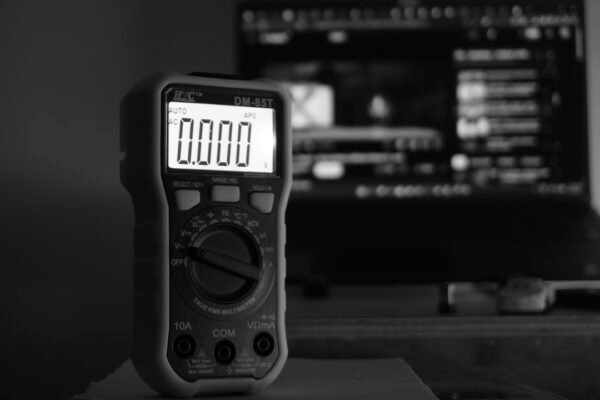
Ensure your charging system is functioning properly, especially if you’ll be using GPS, heated gear, or other accessories that draw power. “Functioning properly” has a number attached to it, and it takes thirty seconds with a multimeter at idle — the stator test explains what the reading has to do and what it means when it does not.
Building the Pre-Ride Habit
The key to effective pre-ride checks is making them automatic. Like professional pilots who never skip their pre-flight inspection, experienced motorcyclists develop muscle memory for these essential safety checks.
Start by consciously following the GOMABR system every time you ride. Initially, it might take 10-15 minutes, but with practice, you’ll complete a thorough inspection in just a few minutes. The investment in time is minimal compared to the potential consequences of missed problems.
Technology as Your Safety Partner
Modern technology can complement your pre-ride inspections and help maintain your motorcycle’s health over time. Digital tools can track maintenance schedules, log inspection findings, and remind you of upcoming service needs.
Consider using apps that help you document your rides and maintenance activities. Some riders find it helpful to photograph any concerns during their pre-ride checks, creating a visual record of their motorcycle’s condition over time.
Conclusion: Your Safety is in Your Hands
Pre-ride motorcycle checks represent the foundation of safe motorcycling. The GOMABR system provides a simple, memorable framework for ensuring your bike is ready for whatever the road might bring. These few minutes of inspection can prevent hours of roadside repairs, costly towing, or far worse consequences.
Remember that mechanical failures on motorcycles often have more serious consequences than similar failures in cars. You don’t have the protection of a steel cage, airbags, or crumple zones. Your best protection is prevention through systematic pre-ride inspections.
Make these checks a non-negotiable part of your riding routine. Your life, your passenger’s safety, and the wellbeing of other road users depend on your motorcycle functioning properly. The few minutes you invest in pre-ride checks are among the most important minutes of any ride.
Take your motorcycle safety and maintenance to the next level with RideLog. This comprehensive app helps you track your rides, monitor fuel consumption, set maintenance reminders, and document your motorcycle’s service history. Never miss an important maintenance check again, and keep detailed records of your bike’s condition and performance. Download RideLog today and transform how you manage your motorcycle’s health and safety.
Read also
- Motorcycle Maintenance Schedule: What the Manuals Actually Say
- Basic Motorcycle Mechanics: 10 Operations Every Motorcyclist Should Know How to Do
- Preparing Your Motorcycle for Spring: Complete Post-Storage Checklist
- Classic Motorcycles: Restoration, Maintenance and Specialized Events
- Motorcycle Hand Signals: Three Are Law, Fourteen Are an Agreement
- How to Ride a Motorcycle — and the One Thing the Official Manual Admits It Cannot Teach
- Motorcycle Clutch Adjustment — and the Clutch That Cannot Be Adjusted at All
- Motorcycle ABS — and the Line in the Manual That Says It Can Make You Stop Later
- How Long Does a Motorcycle Helmet Last — and the Judgement Call Behind the Five-Year Rule
- Motorcycle Flat Tire — and the Line in Dunlop’s Own Manual That Says Never Plug It From Outside