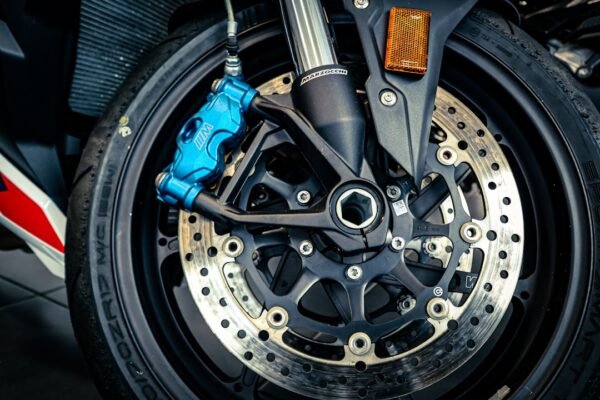
Your motorcycle’s connection to the road happens through just two contact patches, each no bigger than your palm. This makes choosing and maintaining the right motorcycle tires one of the most critical decisions for your safety, performance, and riding enjoyment. Whether you’re a seasoned rider or just getting your license, understanding motorcycle tires can dramatically improve your riding experience and keep you safer on the road.
From sport riders carving through mountain passes to adventure enthusiasts crossing continents, every motorcyclist needs to master the fundamentals of tire selection, proper pressure maintenance, and knowing when it’s time for replacement. This comprehensive guide will walk you through everything you need to know about motorcycle tires, helping you make informed decisions that match your riding style and conditions.
Types of Motorcycle Tires: Finding Your Perfect Match
Understanding the different types of motorcycle tires is crucial for optimal performance and safety. Each category is engineered for specific riding conditions and styles.
Sport Tires
Designed for maximum grip and performance, sport tires feature soft compounds that provide exceptional traction in corners. They typically have wider contact patches and aggressive tread patterns. However, they wear faster and may not perform well in wet conditions or cold temperatures. These tires are ideal for track days, spirited canyon rides, and high-performance street riding.
Touring Tires
Built for longevity and comfort, touring tires use harder compounds that last longer while providing stable handling. They offer good wet weather performance and are designed to carry heavy loads, making them perfect for long-distance travel with luggage. What the manufacturers actually specify once a second person is on board — pressures, maximum load and the number moulded into the sidewall — is set out in the guide to carrying a motorcycle passenger. The trade-off is slightly less grip compared to sport tires, but they excel in versatility and durability.
Enduro and Adventure Tires
These versatile tires bridge the gap between on-road and off-road performance. They feature more aggressive tread patterns for traction on loose surfaces while maintaining reasonable road manners. Adventure tires come in various configurations, from 90/10 road-biased to 50/50 balanced options, depending on your intended use.
Rain Tires
Specifically engineered for wet conditions, rain tires feature deep grooves and siping to channel water away from the contact patch. They use softer compounds that remain flexible in cold, wet conditions. While not necessary for most riders, they’re essential for those frequently riding in rainy climates or participating in wet track events.
Decoding Tire Sizes and Specifications
Understanding tire markings is essential for selecting the right replacement tires and ensuring compatibility with your motorcycle.
Reading Tire Size Codes
A typical motorcycle tire marking might read “120/70ZR17 58W”. Here’s what each element means:
- 120: Tire width in millimeters
- 70: Aspect ratio (sidewall height as percentage of width)
- Z: Speed rating (Z indicates over 149 mph capability)
- R: Radial construction
- 17: Wheel diameter in inches
- 58: Load index
- W: Speed symbol (W = up to 168 mph)
Construction Types
Most modern motorcycle tires use radial construction (marked with “R”), which provides better heat dissipation, longer wear, and improved handling compared to bias-ply tires. Some off-road and cruiser applications still use bias-ply construction for specific handling characteristics.
The Critical Importance of Proper Tire Pressure
Maintaining correct tire pressure is perhaps the most important aspect of tire maintenance, affecting everything from handling and fuel economy to tire lifespan and safety.
Effects of Incorrect Pressure
Underinflated tires generate excessive heat, wear unevenly, and can cause dangerous handling characteristics including reduced cornering stability. Overinflated tires provide a harsh ride, reduce the contact patch, and can lead to center wear patterns. Both conditions significantly increase the risk of tire failure.
Pressure Guidelines by Riding Situation
| Riding Condition | Front Tire (PSI) | Rear Tire (PSI) |
|---|---|---|
| Solo Riding | 32-36 | 36-42 |
| With Passenger | 34-38 | 40-46 |
| With Luggage | 36-40 | 42-48 |
| Track/Sport Riding | 30-34 | 28-32 |
Note: Always consult your motorcycle’s owner manual for manufacturer-specific recommendations, as these can vary significantly between models.
Checking and Maintaining Pressure
Check tire pressure when tires are cold (not ridden for at least three hours) using a quality digital gauge. Invest in a portable air compressor for convenience, and check pressure at least weekly or before long rides. Remember that temperature changes affect pressure—expect about 1 PSI change for every 10°F temperature variation.
Understanding Tire Compounds and Performance
Tire compounds represent the rubber formulation that directly impacts grip, wear rate, and temperature sensitivity.
Compound Classifications
Soft compounds provide maximum grip but wear quickly, making them ideal for track use or sport riding. Medium compounds offer a balance of grip and longevity, suitable for most street riding. Hard compounds prioritize durability over ultimate grip, perfect for touring and commuting.
Multi-Compound Technology
Modern tires often feature multiple compounds in a single tire. The center uses harder compound for straight-line stability and longevity, while the shoulders use softer compounds for cornering grip. This technology maximizes both performance and tire life.
Tire Wear, Lifespan, and Replacement Indicators
Knowing when to replace your tires is crucial for safety and optimal performance.
Average Tire Lifespan
Sport tires typically last 3,000-6,000 miles, touring tires can achieve 8,000-15,000 miles, and some touring tires may exceed 20,000 miles under ideal conditions. However, mileage varies dramatically based on riding style, road conditions, and maintenance practices.
Signs of Tire Wear
- Tread depth: Replace when tread depth reaches 2/32″ (1.6mm)
- Uneven wear patterns: May indicate alignment issues, improper pressure, or suspension problems
- Cracking or dry rot: Age-related deterioration, especially dangerous on sidewalls
- Bulges or deformation: Internal damage requiring immediate replacement
- Excessive vibration: May indicate internal belt separation
Age vs. Mileage
Even with adequate tread depth, tires should be replaced after 5-6 years due to rubber degradation. Check the DOT date code on the sidewall—the last four digits indicate the week and year of manufacture.
Maximizing Tire Performance and Safety
Proper tire maintenance extends beyond pressure checks and includes several important practices.
Break-in Procedures
New tires require a break-in period of 100-200 miles during which you should avoid aggressive cornering or hard acceleration. This allows the release agents used in manufacturing to wear away and the tire surface to properly scuff in.
Storage and Environmental Factors
Store motorcycles away from direct sunlight and ozone-producing equipment. If storing long-term, slightly overinflate tires and consider using tire stands to prevent flat spots. Two manufacturers disagree on that point, and one of them changed its own instruction between 2021 and 2023: the quotations are in how to winterize a motorcycle. UV exposure and temperature extremes accelerate rubber degradation.
Regular Inspection Routine
Develop a pre-ride inspection habit that includes checking tire pressure, examining tread wear, and looking for embedded objects or damage. This simple routine can prevent dangerous blowouts and extend tire life.
Conclusion
Mastering motorcycle tire selection, maintenance, and replacement is fundamental to safe and enjoyable riding. From understanding the differences between sport, touring, and adventure tires to maintaining proper pressure and recognizing wear indicators, this knowledge directly impacts your safety and riding experience.
Remember that tires are your only connection to the road, making them worthy of careful attention and investment. Regular pressure checks, proper storage, and timely replacement based on wear indicators rather than just mileage will ensure optimal performance and safety.
To help track your mileage and plan tire replacements more effectively, consider using RideLog. This comprehensive motorcycle app allows you to track your rides, monitor mileage, set maintenance reminders, and keep detailed records of your tire history. With RideLog’s maintenance tracking features, you’ll never miss a tire pressure check or forget when it’s time for replacement, helping you maintain optimal safety and performance on every ride.
Frequently asked questions
How do I read motorcycle tire sizes?
The code on the sidewall (e.g. 120/70 ZR17) means: width in mm (120), aspect ratio as a percentage (70), construction type (ZR = radial) and rim diameter in inches (17). Load and speed indices follow.
How often should I check my motorcycle tires?
Check pressure at least once a month and before long trips, always when the tires are cold. Inspect wear, cuts and cracks regularly — they’re your only contact with the road.
What’s the difference between sport, touring and enduro tires?
Sport tires give maximum grip but wear faster; touring tires favor durability and comfort for trips and daily use; enduro tires have an aggressive tread for mixing tarmac and off-road. The right choice depends on your bike and how you ride.
When should motorcycle tires be replaced?
When the tread reaches the wear limit, if there are cuts, cracks or deformations, or when the rubber has aged even with low mileage. A worn or old tire compromises grip and safety.
Read also
- Motorcycle Maintenance Schedule: What the Manuals Actually Say
- Basic Motorcycle Mechanics: 10 Operations Every Motorcyclist Should Know How to Do
- Pre-Ride Motorcycle Checks: The Checklist That Could Save Your Life
- Preparing Your Motorcycle for Spring: Complete Post-Storage Checklist
- Motorcycle Flat Tire — and the Line in Dunlop’s Own Manual That Says Never Plug It From Outside
- How Many Miles Do Motorcycles Last — and the Federal Number That Stops at 18,641