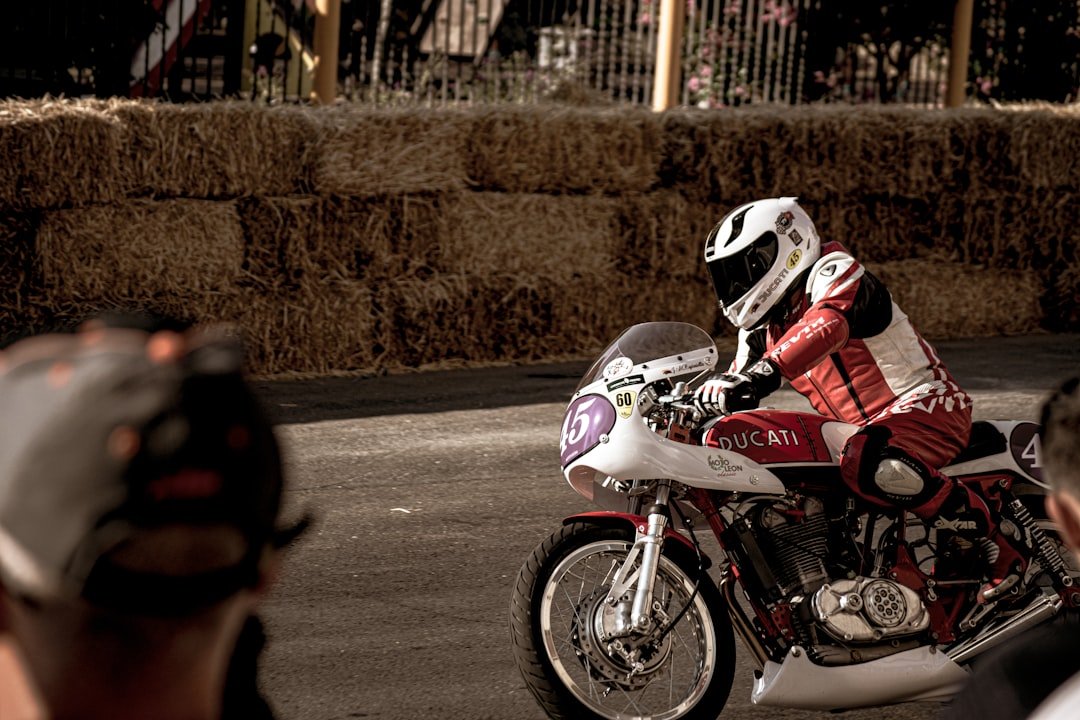
Rain represents one of the most challenging obstacles for every motorcyclist, transforming even the most familiar route into a test of skill and prudence. Whether you are an experienced rider or newly licensed, riding a motorcycle in the rain requires careful preparation and the adoption of specific techniques to maintain a high level of safety.
It’s not just about wearing waterproof clothing: riding on wet asphalt involves every aspect of riding, from preparing your bike to controlling the commands, from the trajectories to follow to the surfaces to absolutely avoid. In this comprehensive guide, we will explore all the fundamental aspects to face rain with safety and awareness.
Preparation Before Departure: The Importance of Equipment
Preparation represents the first fundamental step for safe riding in the rain. Waterproof clothing is not just a matter of comfort, but a crucial element for safety.
Essential Waterproof Clothing
Investing in quality technical clothing means protecting not only your comfort, but also your ability to concentrate while riding. A breathable waterproof jacket and pants prevent the accumulation of internal moisture, while waterproof gloves maintain sensitivity in the controls.
- Waterproof jacket with certified CE protections
- Rain pants or one-piece suit
- Waterproof gloves with optimal grip
- Waterproof boots with anti-slip sole
- Under-helmet waterproof protection for the neck
Visor Management and Fog Prevention
Compromised visibility is one of the greatest dangers while riding in the rain. An anti-fog visor or the use of specific products can make the difference between safe riding and a dangerous situation.
Consider installing a Pinlock system on your visor or applying anti-fog treatments. Always maintain a speed that allows adequate air circulation inside the helmet.
Adapting Your Riding Style: Smoothness is Fundamental
On wet asphalt, every movement must be calibrated and progressive. Smoothness in the controls becomes the golden rule for maintaining control of your bike.
Management of Throttle, Brake and Clutch
Reduced grip requires fluid and gradual movements. Avoid sudden accelerations that could cause the rear wheel to slip, as well as overly aggressive braking that could lock the wheels.
- Open the throttle progressively, especially in curves
- Use both brakes with modulated pressure
- Manage the clutch smoothly when starting
- Keep the engine in the optimal torque zone
Trajectories and Position on the Road
Modify your usual trajectories considering the road surface conditions. Avoid areas of the roadway where water accumulates most and where grip is compromised.
Maintain a central position in your lane, avoiding the edges where debris and water often accumulate. In curves, adopt wider and less inclined trajectories compared to dry conditions.
Slippery Surfaces: What to Absolutely Avoid
Knowing the most dangerous surfaces is essential for safety. Some areas of the asphalt become real traps when wet.
The Hidden Pitfalls of Wet Asphalt
Crosswalks, storm drains and metal covers become extremely slippery in the rain. These surfaces have a much lower coefficient of friction compared to normal asphalt.
- Crosswalks: the paint becomes slippery, always cross them perpendicularly
- Storm drains and covers: avoid them completely when possible
- Wet leaves: create a dangerously slippery layer
- Diesel or oil stains: often invisible on wet asphalt
- Horizontal markings: arrows and writing painted on the asphalt
Recognizing Water Accumulation Zones
Water tends to accumulate at specific points on the road. Learn to recognize underpasses, depressions and areas where drainage is insufficient. Aquaplaning can occur even at moderate speeds.
Braking Techniques and Emergency Management
Braking on wet surfaces requires specific techniques and a deep understanding of how your bike behaves when grip is reduced.
Progressive and Modulated Braking
On wet asphalt, braking must always be progressive. Start with light pressure to test grip, then gradually increase braking force.
Use mainly the rear brake in the initial braking phase, then progressively engage the front. This approach reduces the risk of wheel lock.
Increased Safety Distances
Safety distances should be at least double compared to dry conditions. Always calculate additional space to compensate for increased braking distances.
- Maintain at least 3-4 seconds from the vehicle ahead of you
- Further increase the distance in heavy traffic
- Consider road surface conditions in your assessment
When to Stop: Recognizing Your Limits
Knowing when conditions become too dangerous is a sign of maturity and wisdom. It is not always necessary to continue at all costs.
Critical Conditions to Evaluate
Some signals clearly indicate when it’s better to stop and wait for better conditions:
- Reduced visibility under 50 meters
- Torrential rain with formation of water streams
- Strong lateral wind combined with rain
- Temperatures near freezing (risk of ice)
- Excessive pilot fatigue or stress
Safe Stopping Strategies
When you decide to stop, choose protected areas such as gas stations or covered parking. Avoid stopping on the roadside, especially in conditions of poor visibility.
Post-Rain Maintenance: Preserving Your Bike
Maintenance after riding in the rain is essential to preserve the efficiency and durability of your bike.
Immediate Checks
At the end of your journey in the rain, dedicate a few minutes to specific inspections:
- Carefully dry brakes and discs
- Check engine oil level
- Verify light efficiency
- Clean and lubricate the chain if necessary
- Check tire pressure when cold
Preventive Maintenance
A well-maintained bike offers better performance even in the rain. Tires with adequate tread depth, efficient brakes and properly tuned suspensions make the difference.
Replace tires when they reach the wear limit and consider tires specifically designed for road use with compounds suitable for variable conditions.
Conclusion: Safety Above All
Riding a motorcycle in the rain requires preparation, technique and, above all, respect for weather conditions. Remember that there are no brave motorcyclists and fearful motorcyclists, but only experienced motorcyclists and beginner motorcyclists.
Experience is acquired gradually, facing increasingly challenging conditions with due care. Every ride in the rain is an opportunity to improve your skills and increase your confidence with your bike.
To keep track of your progress and better manage your bike’s maintenance, especially after challenging rides like those in the rain, download RideLog, the comprehensive app for motorcyclists. With RideLog you can record every trip, monitor expenses, set reminders for maintenance and analyze your consumption statistics. Everything you need to always be ready to face any weather condition.
Download RideLog from the App Store and start managing your passion for two wheels professionally!